Skip to content

Our How to’s – Identifying and Handling Gas Leaks

Summary

Natural gas is used to power many consumer products in homes including furnaces, fireplaces dryers and gas burning stoves. Although natural gas is the cleanest burning fossil fuel, it can be extremely dangerous in the home. If used safely, it is an excellent source of power. If not, it can cause house fires, and negative health outcomes like natural gas poisoning. The American Gas Association estimates that over 177 million Americans use natural gas in their homes.
Our How-to's: Identifying and Handling a Gas Leak

What is a Gas Leak

Natural gas is used to power many consumer products in homes including furnaces, fireplaces dryers and gas burning stoves. Although natural gas is the cleanest burning fossil fuel, it can be extremely dangerous in the home. If used safely, it is an excellent source of power. If not, it can cause house fires, and negative health outcomes like natural gas poisoning. The American Gas Association estimates that over 177 million Americans use natural gas in their homes.
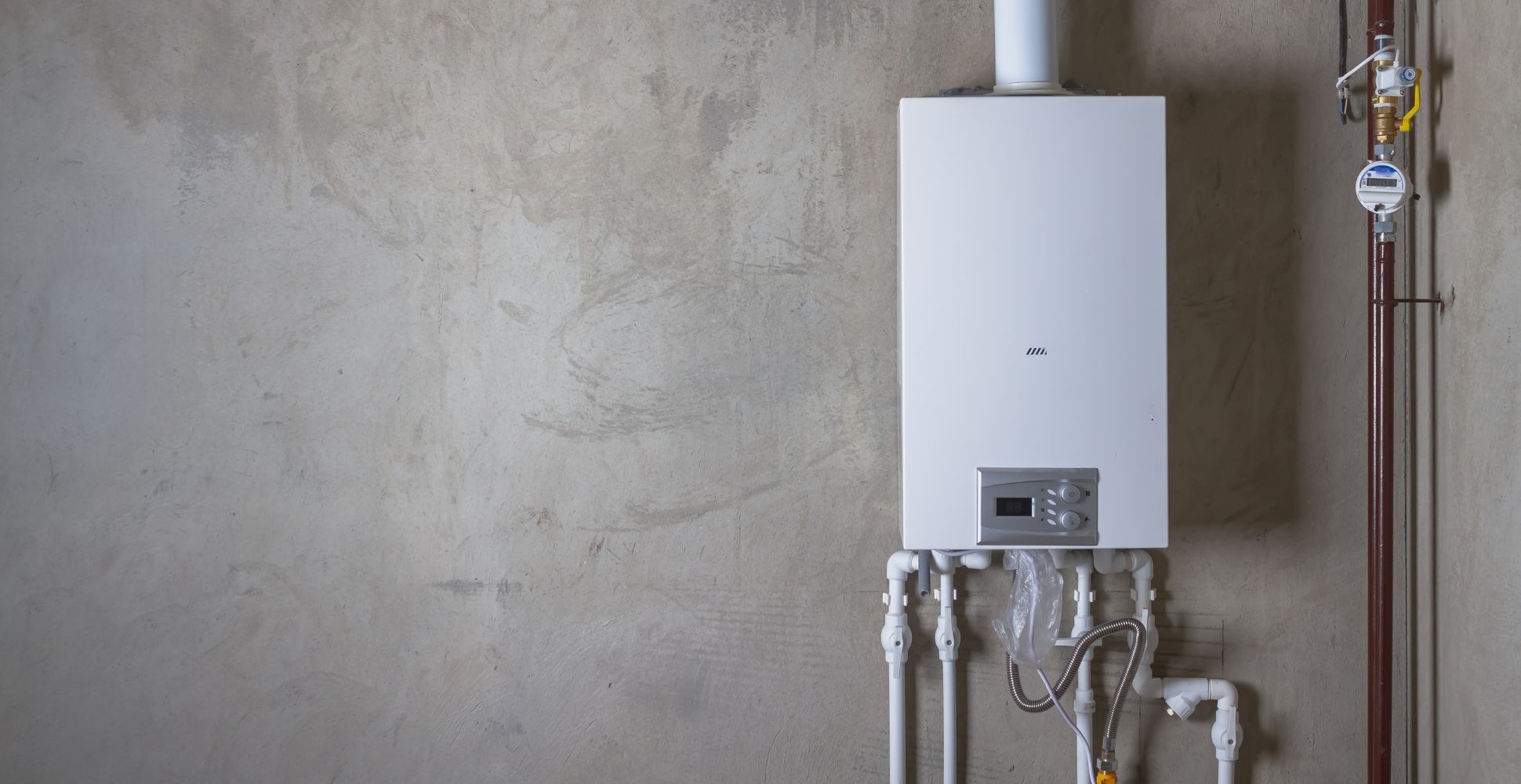
A gas leak happens when gas escapes the pipe or container it is stored in. Gas leaks can happen from various different sources, including:

  • Gas pipes
  • Indoor Gas Lines
  • Gas Appliances

 Let’s take a look at some tips to safely handle natural gas in your home.


How to Identify A Gas Leak

Pipes or appliances powered by natural gas can develop leaks, which can be extremely harmful to your home and your body. The first step in keeping yourself and your home safe is to know the signs of a leak.


  1. Your home smells like rotten eggs. Natural gas is colorless and odorless in its natural state, but gas companies add odorizing chemicals to make a gas leak more easily detectable.
  2. Dead or dying plants. The chemical present in natural gas prevents a plant’s roots from absorbing oxygen, causing the plant to die. If you notice your plants, inside or outside your home, dying quickly, it may be a sign of a gas leak.
  3. Headaches, dizziness, fatigue, and nausea can all be symptoms of natural gas exposure. Even low levels of exposure can cause some very noticeable side effects. If you believe you are experiencing natural gas leak-related symptoms, call a doctor immediately.
  4. Higher gas bill. An increase in the amount of gas your home is using can be a clear indicator of an unchecked gas leak.

Do's & Don'ts

What to Do When You Suspect a Leak

Knowing what to do in the case of a gas leak is just as important as being able to recognize the signs. First and foremost, evacuate your house and pets. Leave your doors and windows open on the way out to disperse the gas and reduce the chance of combustion. After you are off the premises, call 911 or your natural gas hotline.  If you know where your gas line shut-off is, let authorities know so that they can safely handle the source.  

What NOT to Do When You Suspect a Leak 

It’s nearly impossible to tell how much gas is really present in a gas leak without the proper tools. You may think that the threat of a house fire or combustion is low, but natural gas leaks need to be taken extremely seriously. In the case of a leak, do not try to find the source of the leak yourself. Even if you do find the source, you are exposing yourself to dangerous levels of chemicals that can cause adverse side effects. Additionally, do not try to repair the leak on your own. Call for a gas leak specialist or a plumber who handles gas lines to repair your leak. Do not use electronics inside the home. Anything electric can cause a spark, and if your house is filled with gas, combustion is inevitable. Do not stay indoors. Leave your home immediately.   

 Contact a Professional Today!

Following these tips for identifying and handling a gas leak can save your life and your home. Please practice caution with gas-burning appliances and stay vigilant for a leak. In the case of a pipe leak, contact Open Line Plumbing for professional pipe repair. Ready to upgrade your home’s piping system? Call Open Line Plumbing 858-888-5902 

Related Post

Benefits of A Tankless Water Heater in Your Home

Tankless water heaters have taken the home improvement world by storm, becoming energy-saving heroes in modern households. As a wave of innovation continues to reshape how we think about home efficiency, tankless water heater benefits are more compelling than ever. These space-saving systems deliver endless hot water and offer impressive financial perks, including Federal and State tax credits and rebates. 

Why You Will Benefit from a Under Sink Water Filtration System

We all rely on clean, safe drinking water every day, whether for cooking, drinking, or making our morning coffee. But if you’re concerned about tap water quality, an under-sink water filtration system could be the solution you’ve been searching for. These systems work quietly behind the scenes, providing filtered water straight from your tap.

Request Service

Please feel free to reach out to us for any of your plumbing needs.